Introduction
New asphalt construction is more than a process of laying pavement—it is a carefully engineered system that determines the long-term performance of roads, parking lots, and industrial surfaces. From site preparation to final compaction, each stage plays a critical role in ensuring durability, safety, and cost efficiency. As infrastructure demands continue to grow, understanding the principles behind asphalt construction becomes essential for property owners, developers, and project managers seeking reliable results.
The Foundations of Asphalt Construction
Successful asphalt construction begins long before the first layer is applied. Proper planning and site evaluation establish the groundwork for a stable and long-lasting surface. Soil conditions, drainage patterns, and anticipated traffic loads must all be considered during this phase.
Site Preparation and Base Layers
The base layer is the backbone of any asphalt surface. It provides structural support and ensures that the pavement can withstand heavy loads without shifting or cracking. Proper grading and compaction are essential to create a stable foundation, while effective drainage systems prevent water from compromising the integrity of the base.
Material Selection and Asphalt Composition
The quality of materials used in asphalt construction directly influences performance. Asphalt is composed of aggregates and bitumen, carefully blended to achieve the right balance of strength and flexibility.
Balancing Strength and Flexibility
A well-designed asphalt mix must be strong enough to support traffic while remaining flexible enough to adapt to temperature changes. This balance prevents cracking and extends the lifespan of the pavement. Selecting the appropriate mix for specific conditions is a key responsibility of experienced contractors.
The Construction Process
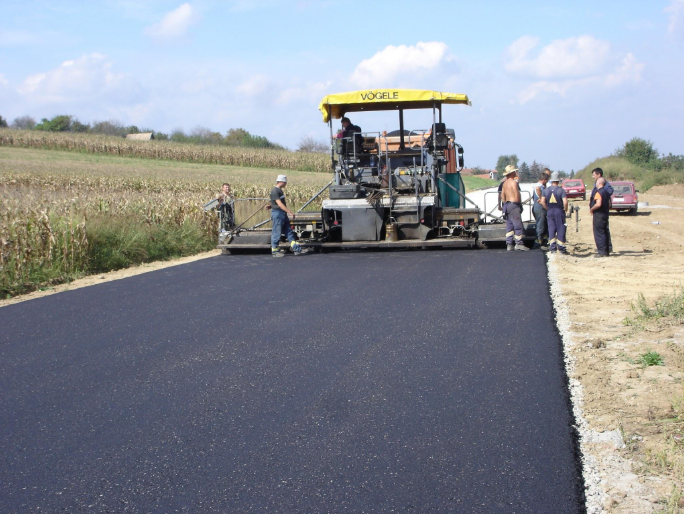
The process of asphalt construction involves multiple stages, each requiring precision and expertise. From laying the base to applying the surface layer, every step must be executed with care to ensure optimal results.
Layering and Compaction
Asphalt is typically applied in layers, with each layer compacted to achieve the desired density. Proper compaction eliminates air voids and enhances structural stability. This step is critical for preventing future issues such as rutting and cracking.
Integrating Maintenance into Construction Planning
Even during the construction phase, it is important to consider future maintenance needs. Designing a pavement with maintenance in mind ensures that it remains functional and cost-effective over time.
Insights from long-term surface preservation strategies highlight how proactive planning can extend the lifespan of structural elements. Similarly, incorporating maintenance considerations into asphalt construction helps prevent premature deterioration.
Innovations in Asphalt Infrastructure
The asphalt industry continues to evolve with advancements in technology and materials. New approaches are being explored to enhance sustainability and efficiency in infrastructure projects.
Exploring Future Concepts
Discussions around innovative road technologies and energy integration demonstrate how infrastructure is adapting to modern challenges. While such concepts are still developing, they highlight the importance of forward-thinking design in asphalt construction.
Economic Considerations in Asphalt Construction
Investing in high-quality construction reduces long-term costs by minimizing the need for repairs and maintenance. While initial expenses may be higher, the benefits of durability and reliability outweigh short-term savings.
Maximizing Return on Investment
A well-constructed asphalt surface retains its value over time, providing consistent performance and reducing operational disruptions. This makes it a cost-effective solution for both commercial and municipal applications.
Asphalt Coatings Company: Expertise in New Asphalt Construction
Achieving excellence in asphalt construction requires a combination of technical knowledge, experience, and attention to detail. Asphalt Coatings Company is recognized for delivering high-quality paving solutions that prioritize durability and long-term performance.
Their approach encompasses every stage of the construction process, from site evaluation to final finishing. By focusing on precision and quality, they ensure that each project meets rigorous standards and delivers reliable results.
For those seeking a deeper understanding of the process, the asphalt construction guide provides comprehensive insights into best practices and key considerations. This resource reflects the company’s commitment to helping clients make informed decisions.
Ensuring Long-Term Performance
The success of an asphalt construction project is measured not only by its initial appearance but also by its performance over time. Regular maintenance, including sealcoating and inspections, plays a crucial role in preserving the integrity of the pavement.
The Importance of Ongoing Care
Proactive maintenance prevents minor issues from developing into major problems, ensuring that the pavement remains safe and functional. This approach extends the lifespan of the surface and maximizes the value of the investment.
Conclusion
New asphalt construction is a complex process that requires careful planning, quality materials, and skilled execution. By understanding each stage of the process and prioritizing long-term performance, property owners and developers can achieve durable and reliable results.
In an era where infrastructure plays a vital role in economic and social development, investing in high-quality asphalt construction is essential. With the right expertise and a commitment to excellence, asphalt surfaces can provide lasting value and support the demands of modern life.