
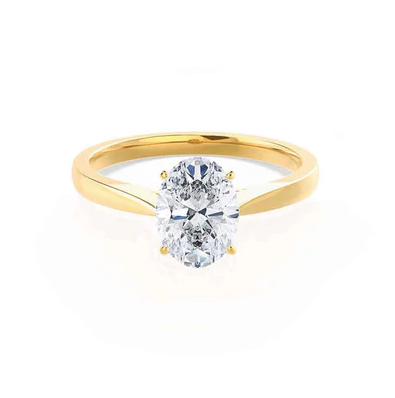
Refined craftsmanship has long been synonymous with quality, value and trust, and this connection remains powerful today. In the world of premium goods, where discerning buyers seek authenticity and lasting excellence, craftsmanship plays a defining role. Brands like lily arkwright illustrate how attention to detail and a commitment to expert skill can elevate an item beyond simple function, transforming it into something meaningful and enduring. As consumers become more selective, the appreciation for true craftsmanship continues to grow, reinforcing its timeless importance in luxury markets.
Premium items are not only judged by their appearance but also by the integrity of their construction. In an era where mass production dominates many industries, handcrafted or meticulously engineered pieces stand out for their superior precision. Every element, from the raw material to the finishing touch, reflects intentionality. This is one of the reasons consumers gravitate toward premium items that showcase skilled workmanship. The emotional connection formed through owning something carefully crafted adds depth and value that automated processes cannot fully replicate.
Another defining aspect of refined craftsmanship is the expertise behind it. Skilled artisans and engineers often dedicate years to mastering specific techniques, whether in jewelry making, fashion, home décor or other luxury sectors. Their ability to blend creativity with technical knowledge results in items that not only perform well but also possess a distinct character. This human element introduces subtle variations and thoughtful enhancements that machines cannot reproduce. As a result, each piece carries a unique essence that contributes to its premium appeal.
Durability is equally important. Premium items are expected to last, and craftsmanship directly influences their longevity. When materials are selected with care and assembled with precision, the final product is more resilient to wear over time. Consumers investing in high end goods often view their purchases as long term assets rather than disposable accessories. Quality craftsmanship helps ensure the piece remains beautiful, functional and relevant for many years, reinforcing the perceived and real value of the investment.
Beyond the tangible qualities, refined craftsmanship supports sustainability in subtle but important ways. Mass produced goods often contribute to excessive waste due to shorter lifespans and lower material quality. In contrast, well made premium items encourage a mindset of preservation. The focus shifts from rapid consumption to thoughtful ownership. When people cherish their belongings, repairs, proper care and continued use become more appealing than immediate replacement. This responsible approach aligns with modern values surrounding ethical consumption and environmental awareness.
Craftsmanship also influences brand integrity. Luxury brands build their identities on trust, prestige and reliability. When a brand consistently delivers finely crafted products, it strengthens its reputation and fosters long term loyalty. Consumers feel confident that they are receiving something authentic and worthwhile. In competitive markets, this trust becomes a powerful differentiator, helping brands stand out not only for their designs but for the quality that supports them.
Even as technology advances, craftsmanship retains its place at the heart of premium item creation. Innovations can enhance precision and efficiency, but they cannot replace the intuition and artistry of skilled human hands. Instead, technology and craftsmanship often work together, combining modern capability with traditional expertise to achieve exceptional results.
Ultimately, refined craftsmanship endures because it represents more than a production method. It embodies dedication, skill and pride in creating something that holds lasting value. As consumers continue to seek products that resonate with authenticity and excellence, the role of craftsmanship in premium items remains as essential as ever.