Understanding Dental Bonding: What You Need to Know
The Basics of Dental Bonding
Dental bonding is a straightforward way to enhance your smile. It involves applying a tooth-colored resin to address imperfections like chips, gaps, or discolorations. This procedure is particularly popular because it’s quick, affordable, and highly effective. For those seeking dental bonding in Brampton, the resin is carefully shaped and polished to match your other teeth, providing a subtle and natural-looking solution for minor dental issues.
How Dental Bonding Works
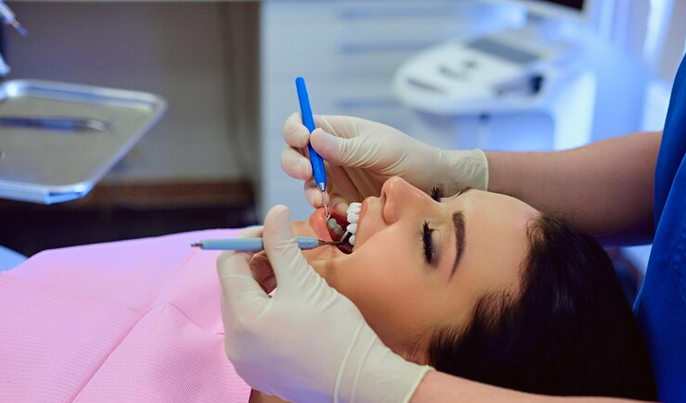
The process of dental bonding is quite simple. First, your dentist will slightly roughen the surface of the tooth to help the bonding material adhere. Next, a conditioning liquid is applied. The resin, which is soft and pliable, is then molded onto the tooth. A special light hardens the material, and the dentist will trim and polish it to look natural. Typically, this can all be done in one visit.
Benefits of Dental Bonding
Dental bonding offers several perks:
- Cost-effective: Compared to veneers or crowns, bonding is much more affordable.
- Quick: Often completed in just one appointment.
- Minimally invasive: Little to no removal of tooth enamel.
Common Misconceptions About Dental Bonding
Some might think dental bonding isn’t durable, but with proper care, it can last for years. Others believe it’s only for cosmetic fixes, but bonding can also help protect exposed roots or repair decayed teeth. It’s essential to discuss with your dentist to understand how bonding can meet your needs.
Dental bonding is a versatile option for those looking to make minor adjustments to their teeth without breaking the bank. It’s a practical choice for improving both the function and appearance of your smile.
Why Choose Dental Bonding in Brampton?
Advantages of Local Dental Services
Choosing dental bonding in Brampton gives you access to local expertise and personalized care. When you opt for services nearby, you often get more flexible scheduling options and quicker response times for any follow-up needs. Having a dental service close to home can make a big difference in convenience and peace of mind.
Community Trust and Expertise
Local dentists in Brampton are not just professionals; they are part of the community. They have built trust over years of providing quality service. Patients often feel more comfortable knowing their dental professional has a good reputation locally. This community trust can make your dental bonding experience more reassuring.
Accessibility and Convenience
In Brampton, accessibility to dental services is a significant advantage. Public transport and ample parking make getting to appointments hassle-free. Plus, local clinics might offer extended hours to fit your busy schedule. This ease of access means maintaining your dental health doesn’t have to be a chore.
Opting for dental bonding locally not only supports community businesses but also ensures you receive care from those who understand the local needs and preferences.
The Dental Bonding Procedure: Step-by-Step
Initial Consultation and Assessment
Before diving into dental bonding, the first step is an initial consultation with your dentist. They’ll assess your teeth to see if bonding is the right choice for you. During this visit, you might discuss your dental history, any concerns you have, and what you hope to achieve with bonding. This step is crucial because it sets the stage for the entire procedure.
Preparing for the Procedure
Once you’ve decided to go ahead with dental bonding, preparation is key. The dentist will clean your teeth thoroughly. Sometimes, a slight roughening of the tooth surface is needed to ensure the bonding material adheres properly. No need to worry, though—this part is usually painless and doesn’t require anesthesia.
Application of the Bonding Material
Now comes the main event: applying the bonding material. The dentist will apply a tooth-colored resin to your teeth, shaping it to match your natural tooth. A special light hardens the resin, making it durable and strong. This process is often repeated several times to get the perfect look.
Post-Procedure Care and Maintenance
After the bonding is done, taking care of your teeth is important. Stick to a good oral hygiene routine—brushing and flossing daily. Avoid foods and drinks that can stain, like coffee and red wine. Regular dental check-ups will help keep your bonded teeth in top shape. Remember, bonded teeth need the same care as your natural ones.
Who Can Benefit from Dental Bonding?
Ideal Candidates for Dental Bonding
Dental bonding is a great option for people who want to fix small cosmetic issues with their teeth. It’s perfect for those with small chips, cracks, or gaps between teeth. If your teeth are slightly discolored and don’t respond well to whitening treatments, bonding might be the solution. It’s also a good choice for people who want to change the shape of their teeth without the commitment of veneers.
Addressing Cosmetic Concerns
Many people turn to dental bonding to improve their smiles. Here are some common cosmetic concerns bonding can address:
- Chipped or cracked teeth: Bonding can fill in chips and cracks, making teeth look whole again.
- Gaps between teeth: If you have small gaps, bonding can close them up without braces.
- Discolored teeth: For those stubborn stains that whitening can’t fix, bonding can cover them up.
Improving Dental Health with Bonding
While dental bonding is often seen as a cosmetic fix, it can also help with dental health. Bonding can protect exposed roots if your gums have receded, reducing sensitivity. It can also strengthen teeth that are a bit worn down.
Dental bonding is not just for looks; it can be a practical solution for minor dental issues. It’s a versatile treatment that can enhance both the appearance and health of your teeth.
Caring for Your Bonded Teeth
Daily Oral Hygiene Tips
Keeping your bonded teeth in good shape starts with solid oral hygiene. Brush your teeth at least twice a day with a soft-bristled toothbrush to avoid scratching the bonding material. Floss daily to get rid of food particles and plaque between your teeth. Consider using a fluoride mouthwash for that extra layer of protection against cavities.
Foods to Avoid with Bonded Teeth
Eating the wrong foods can damage your bonded teeth. Try to avoid biting into hard foods like nuts or ice. Sticky foods like caramel can also be problematic, as they can pull at the bonding material. Sugary snacks should be limited too, as they increase the risk of decay around the bonded area.
Regular Dental Check-Ups
Regular visits to the dentist are key. Aim for a check-up every six months to ensure your bonded teeth are holding up well. During these visits, your dentist can check for any wear and tear and make adjustments if needed.
Handling Wear and Tear
Bonded teeth can wear down over time, especially if you’re a teeth grinder. If you notice any rough or sharp edges, don’t wait—see your dentist. They can smooth things out or even reapply bonding material if necessary. Night guards can help if grinding is an issue, protecting both your natural and bonded teeth from damage.
Comparing Dental Bonding to Other Cosmetic Procedures
Dental Bonding vs. Veneers
Dental bonding and veneers both aim to improve your smile, but they do it in different ways. Bonding involves applying a resin to the teeth, which is then shaped and polished. Veneers, on the other hand, are thin pieces of porcelain or composite material that cover the front of the teeth. One key difference is the permanence; veneers are more durable but also more invasive. They require some enamel removal, while bonding is less drastic.
| Feature | Dental Bonding | Veneers |
| Material | Resin | Porcelain/Composite |
| Durability | Moderate | High |
| Invasiveness | Low | Moderate |
| Cost | Lower | Higher |
Dental Bonding vs. Crowns
Crowns and bonding serve different purposes. Crowns cover the entire tooth and are often used when there’s significant damage. Bonding is more about cosmetic adjustments like fixing chips or gaps. Crowns are usually made of metal, porcelain, or ceramic, offering more strength. Bonding is less intrusive, focusing on minor repairs.
- Crowns are more suitable for severely damaged teeth.
- Bonding is ideal for small cosmetic changes.
- Crowns last longer but require more preparation.
Cost-Effectiveness of Dental Bonding
When it comes to cost, dental bonding is generally more affordable. It’s a quicker procedure, often completed in one visit. Veneers and crowns, being more complex, tend to be pricier.
If you’re looking for a budget-friendly way to improve your smile, bonding might just be the way to go. It’s a practical option for minor cosmetic tweaks without breaking the bank.
Finding the Right Dental Professional in Brampton
Qualities of a Good Dentist
Choosing a dentist in Brampton is more than just picking a name off a list. Look for someone who listens to your concerns and explains things clearly. A good dentist should be patient, approachable, and knowledgeable. They should also stay updated with the latest dental practices and technologies. Consider their experience, especially in dental bonding, and check if they have a gentle hand during procedures.
Questions to Ask During Your Consultation
Before committing to a dentist, it’s smart to ask a few key questions during your initial consultation:
- How many years have you been practicing?
- What specific experience do you have with dental bonding?
- Can you explain the procedure and what I should expect?
- Are there any risks associated with dental bonding?
- What kind of aftercare do you provide?
Reading Reviews and Testimonials
Hearing from other patients can give you a lot of insight. Check out reviews online to see what people are saying about their experiences. Look for comments on the dentist’s professionalism, the office environment, and the results of their treatments. Testimonials can be particularly helpful in understanding what to expect. Remember, a couple of negative reviews are normal, but a pattern of complaints might be a red flag.
Finding the right dentist can make all the difference in your dental health journey. Take your time to research and choose someone who makes you feel comfortable and confident in your care.
Wrapping It Up
So, there you have it. Dental bonding in Brampton might just be the thing to give your smile that little boost you’ve been thinking about. It’s not as scary as it sounds, and the results can be pretty amazing. Whether it’s fixing a chip or closing a gap, this simple procedure can make a big difference. Plus, it’s usually quick and doesn’t break the bank. If you’re curious, why not chat with your dentist about it? They can give you the lowdown and help you decide if it’s the right move for you. Remember, a great smile can really change how you feel about yourself. So, go ahead, and take that step towards a brighter smile!