
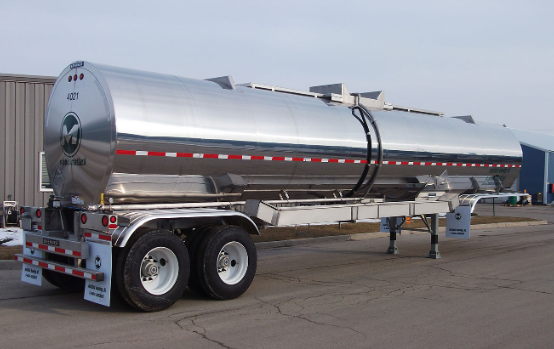
Transporting large quantities of liquid safely and efficiently is a major challenge in many industries, including oil and gas, food and beverages, chemicals, and agriculture. Tanker trailers play a crucial role in addressing this challenge, providing a reliable method for moving liquids over long distances. These specialized vehicles are designed to carry bulk liquids securely, reducing the risk of spills, contamination, and accidents. Understanding the role of tanker trailers helps businesses optimize logistics and maintain safety standards in liquid transportation.
What is a Tanker Trailer?
A tanker trailer is a type of truck trailer specifically built to transport liquids in bulk. Unlike standard cargo trailers, tanker trailers are cylindrical in shape to evenly distribute the weight of the liquid and minimize sloshing during transport. They are often made from stainless steel, aluminum, or other durable materials that resist corrosion, depending on the type of liquid being carried. Tanker trailers can transport a wide range of liquids, from water, milk, and juice to chemicals, petroleum products, and hazardous materials. Their design ensures that liquids remain stable, secure, and uncontaminated during transit.
Importance of Tanker Trailers in Transportation
Tanker trailers are essential in the transportation industry because they allow for the efficient and safe movement of large liquid volumes. For industries like petroleum and chemical manufacturing, timely delivery of raw materials or finished products is critical, and tanker trailers help achieve this. These trailers are designed to handle the challenges of long-distance travel, including road vibrations, temperature changes, and varying terrains, all while keeping the liquid inside secure. By using tanker trailers, companies can reduce the need for multiple small shipments, saving time, fuel, and operational costs.
Safety Features of Tanker Trailers
Safety is a top priority in liquid transportation, and tanker trailers are equipped with several features to minimize risks. Many trailers have baffles inside the tank to prevent liquid from moving too much while the vehicle is in motion, which reduces the risk of accidents caused by sudden shifts in weight. In addition, tanker trailers often come with pressure relief valves, temperature monitoring systems, and reinforced structures to handle hazardous liquids safely. Drivers and operators receive specialized training to manage these vehicles, ensuring that both the cargo and the road remain safe.
Applications Across Industries
Tanker trailers are used in a wide variety of industries because they are versatile and reliable. In the food and beverage sector, they transport milk, juice, and other consumable liquids from production facilities to processing plants or retail distributors. In the oil and gas industry, tanker trailers are vital for moving gasoline, diesel, and crude oil from refineries to gas stations or storage facilities. Chemical manufacturers rely on tanker trailers to safely transport acids, solvents, and other potentially hazardous liquids. Even in agriculture, liquid fertilizers and pesticides are often moved using tanker trailers, making them a critical part of modern farming operations.
Environmental and Efficiency Considerations
Modern tanker trailers are designed with environmental and efficiency standards in mind. Advanced models often include features to minimize spills, reduce emissions, and lower fuel consumption. Properly maintained tanker trailers can last for many years, reducing the need for frequent replacements and contributing to sustainable transportation practices. Efficient bulk transportation using tanker trailers also reduces the number of trips required, further decreasing the carbon footprint associated with liquid transport.
Conclusion
Tanker trailers play a vital role in the safe and efficient transportation of bulk liquids across multiple industries. Their specialized design, safety features, and versatility make them indispensable for moving liquids from one point to another while protecting the environment and reducing operational costs. By relying on tanker trailers, businesses can ensure that their liquid products are delivered safely, on time, and in optimal condition. These vehicles are more than just transport tools—they are a key component of modern logistics and industrial operations.