
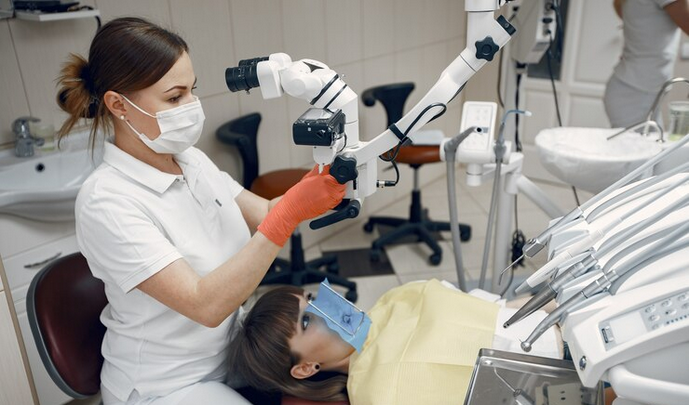
Understanding Dental Emergencies
Common Types of Dental Emergencies
Dental emergencies can strike at any moment, catching you off guard. Common types include severe toothaches, cracked or broken teeth, lost fillings or crowns, and gum infections. A severe toothache is often the most frequent emergency, usually signaling an underlying issue like decay or infection. It’s crucial to address these problems promptly to prevent further complications.
Signs You Need Immediate Dental Care
Recognizing the signs that you need immediate dental care can make a significant difference in outcomes. Look out for symptoms such as persistent pain, swelling, bleeding, or sudden sensitivity. If a tooth gets knocked out or chipped, it’s important to act quickly. Swelling or a fever accompanying dental pain can also indicate an infection that needs urgent attention.
How to Handle a Dental Emergency
Handling a dental emergency involves quick thinking and action. Here’s what you can do:
- For Toothaches: Rinse your mouth with warm water and floss gently to remove any debris. Avoid aspirin directly on the gums.
- For Knocked-Out Teeth: Handle the tooth by the crown, rinse it gently, and try to place it back in the socket. If that’s not possible, keep it in milk until you reach the dentist.
- For Broken Teeth: Rinse your mouth and any broken pieces with warm water. Apply a cold compress to reduce swelling.
Remember, the key to managing dental emergencies is staying calm and taking swift action. Immediate care can alleviate pain and prevent further damage, ensuring the best possible outcome for your oral health.
Choosing the Right Emergency Dentist in Springfield
Factors to Consider When Selecting a Dentist
When you’re in the midst of a dental crisis, the last thing you want is to be scrambling to find a reliable emergency dentist in Springfield. It’s crucial to have a plan in place. Consider the dentist’s qualifications, experience, and whether they offer the specific services you might need, like dental implants in Springfield. Also, check if they handle emergencies after hours. It’s these little details that can make a huge difference when time is of the essence.
Importance of Location and Accessibility
Time is a key factor during a dental emergency. Having a dentist in Springfield who is conveniently located can save precious minutes. Look for practices with easy accessibility, like proximity to public transport or major roads. This ensures you can reach them quickly, even during off-peak hours. A centrally located practice also means that if you’re in pain, you won’t have to endure a long drive.
Reading Reviews and Testimonials
In today’s digital age, reviews and testimonials are invaluable. They offer insights into the experiences of other patients with the emergency dentist in Springfield. Look for feedback on the dentist’s responsiveness, quality of care, and overall patient satisfaction. Online reviews can guide you in making an informed choice, ensuring you pick a dentist who is not only skilled but also compassionate and understanding.
Immediate Steps to Take During a Dental Emergency
Handling a Knocked-Out Tooth
Losing a tooth can be pretty alarming, but acting quickly can save the day. If a tooth gets knocked out, grab it by the crown—not the root. Rinse it gently with water, but skip the soap and scrubbing. If you can, pop it back into its socket. If that’s too tricky, keep it moist by placing it in milk or a tooth preservation kit. Time is of the essence here, so get to a dentist ASAP.
Managing Severe Toothaches
Toothaches can really ruin your day. Start by rinsing your mouth with warm water and try to dislodge any stuck food with floss. A cold compress can help with swelling and pain, but avoid placing aspirin directly on your gums—it’ll just irritate them more. Contact your dentist to get to the root of the problem.
What to Do with a Chipped or Broken Tooth
Chipping or breaking a tooth isn’t fun, but it’s something you can handle. First, save any pieces you find. Rinse your mouth with warm water to clean the area. Use a cold compress on your face to reduce swelling. Then, call your dentist to see how soon they can fit you in. Meanwhile, avoid chewing on that side of your mouth to prevent further damage.
Quick action can make all the difference in a dental emergency. Whether it’s a knocked-out tooth or a severe toothache, knowing what to do can help you stay calm and protect your smile.
The Role of Emergency Dentists in Springfield
Services Offered by Emergency Dentists
Emergency dentists in Springfield are like the unsung heroes of the dental world. They swoop in when you’re in a jam, offering a range of services that go beyond the usual dental check-ups. Whether it’s a sudden toothache, a chipped tooth, or a lost filling, these dentists are equipped to handle it all. They provide immediate pain relief, repair damages, and even perform emergency surgeries if needed. Their main goal is to stabilize your condition and prevent further complications.
How Emergency Dentists Differ from Regular Dentists
While both emergency and regular dentists share the same foundational skills, there are some key differences. Emergency dentists are available outside of typical office hours, including nights and weekends. They prioritize urgent cases, ensuring that patients receive prompt attention. Unlike regular dental visits, which might involve routine cleanings or planned procedures, emergency dental care is all about addressing immediate needs. This means they often work in a fast-paced environment, making quick decisions to provide the best care possible.
The Importance of Specialized Training
Emergency dentists undergo specialized training to prepare for the unpredictable nature of their work. This training includes advanced courses in trauma management, pain control, and urgent care protocols. Such training ensures that they are ready to tackle any situation that comes their way. They learn to work efficiently under pressure, which is crucial when dealing with dental emergencies. Their expertise is not just about fixing teeth but also about calming patients and ensuring a smooth and effective treatment process.
When you’re faced with a dental crisis, having a skilled emergency dentist in Springfield can make all the difference. They not only address the immediate problem but also provide guidance on how to avoid similar issues in the future. It’s this blend of immediate care and preventative advice that sets them apart.
Preventing Future Dental Emergencies
Tips for Maintaining Oral Health
Keeping your teeth and gums in top shape is not just about a great smile; it’s your first line of defense against dental emergencies. Brushing twice a day with fluoride toothpaste and flossing daily are your go-to moves. These habits help you tackle plaque and keep cavities at bay. Don’t forget about your diet—cutting down on sugary snacks and drinks can make a big difference.
The Role of Regular Dental Check-Ups
Think of your dentist as your oral health coach. Regular check-ups aren’t just about cleaning; they’re about catching potential problems early. Dentists can spot issues like cavities or gum disease before they turn into painful emergencies. Aim for a check-up every six months to stay ahead of the game.
Using Protective Gear During Sports
If you’re into sports, especially contact ones, mouthguards are your best friend. They protect your teeth from getting knocked out or chipped during the action. Whether you’re playing football, hockey, or even skateboarding, a custom-fitted mouthguard can save you a lot of pain and hassle later.
Understanding the Costs of Emergency Dental Care
Factors Affecting the Cost of Care
When you’re in the middle of a dental emergency, the last thing you want to worry about is the cost. But let’s face it, dental care can be pricey. Several factors influence how much you’ll end up paying. First, the type of emergency plays a big role—something like a simple tooth extraction might cost less than a complex root canal. Then there’s the dentist’s experience and the location of the practice; city clinics often charge more than rural ones. Don’t forget about the time of the appointment—after-hours and weekend visits usually come with extra fees.
Insurance Coverage for Emergencies
If you’ve got dental insurance, you’re in luck, but it’s not always straightforward. Most plans cover emergencies, but the extent varies. Typically, you’ll find that insurance will cover a portion of the cost, but you might still have to pay a deductible or a co-payment. It’s a smart move to check with your provider about what exactly is covered under emergency care. Understanding your policy can save you from unexpected bills.
Affordable Payment Options
Worried about paying for your emergency dental care? Don’t panic. Many dental offices offer flexible payment plans to help ease the financial burden. You might find options like monthly installments or discounts for paying upfront. Some clinics even partner with financing companies to offer loans specifically for medical expenses. It’s worth asking your dentist about these options before you find yourself in a tight spot.
Dental emergencies can be stressful enough without the added worry of costs. Being informed and prepared can make a big difference in how you handle the financial side of things. Remember, your oral health is important, and there are ways to manage the costs without sacrificing care.
Post-Emergency Dental Care and Recovery
Follow-Up Appointments and Monitoring
After you’ve tackled the immediate dental emergency, what’s next? Well, follow-up appointments are super important. These visits help your dentist keep track of how you’re healing and make sure everything’s on the right track. Regular check-ups can catch any lingering issues early, preventing them from turning into bigger problems. Your dentist will likely set up a schedule for these visits, so you don’t have to worry about remembering everything.
Emotional Impact of Dental Trauma
Dealing with a dental emergency can be more than just a physical ordeal. It can mess with your head, too. You might feel anxious or self-conscious about your smile. It’s normal, but it’s crucial to address these feelings. Dentists aren’t just there to fix your teeth; they can also help you navigate the emotional side of things. Don’t hesitate to talk to them about any worries you have.
Long-Term Oral Health Strategies
Once you’ve navigated the immediate aftermath and emotional impact, it’s time to think long-term. Maintaining good oral health isn’t just about brushing and flossing. Consider these steps:
- Routine Dental Visits: Keep up with regular dental check-ups. They can catch potential issues before they become emergencies.
- Healthy Habits: Eat a balanced diet and avoid excessive sugary snacks. Your teeth will thank you!
- Protective Gear: If you’re into sports, wearing a mouthguard can save you from a lot of pain and hassle.
Remember, taking care of your teeth now can save you from dental drama later. It’s not just about avoiding pain; it’s about keeping your smile healthy and strong for years to come.
Conclusion
Finding the right emergency dentist in Springfield is all about being prepared. You never know when a dental emergency might strike, so having a reliable dentist’s contact info on hand can save you a lot of stress. Remember, not all dentists offer emergency services, so do your homework ahead of time. Check out reviews, ask around, and maybe even visit a few offices to see which one feels right for you. And once you’ve found your go-to emergency dentist, keep their number handy. It’s like having a safety net for your teeth. So, take a little time now to prepare, and you’ll thank yourself later if an emergency ever pops up.