
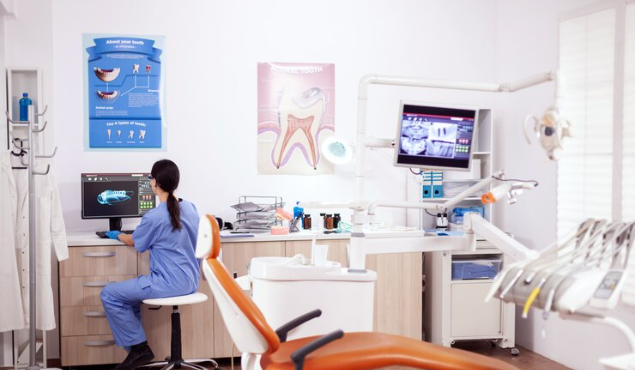
Understanding Emergency Dental Care in Orillia
What Constitutes a Dental Emergency?
Ever looked in the mirror and wished your teeth were just a bit brighter? That’s where professional teeth whitening comes in. It’s a quick and safe way to lift those stubborn stains that even the best toothpaste can’t touch. Whether it’s coffee, tea, or just the wear and tear of time, teeth whitening can help restore that youthful glow to your smile. And if you ever need urgent dental care, an emergency dentist in Orillia can address your immediate concerns while helping you achieve a healthy, radiant smile.
Common Types of Dental Emergencies
Here’s a quick list of things that usually need fast attention:
- Tooth fractures – These happen if you bite something hard or have an accident.
- Lost fillings or crowns – You might feel sensitivity or pain.
- Gum infections – These can swell up and be super uncomfortable.
Why Immediate Care is Important
Getting quick help can stop things from getting worse. If you wait too long, you might end up with more pain, higher costs, or even lose a tooth.
If something feels off with your teeth and it’s serious, it’s better to see a dentist sooner rather than later. And if it’s a really bad situation, like heavy bleeding or a broken jaw, head to the ER or call emergency services.
How to Find an Emergency Dentist
Online Resources and Directories
When you’re in a pinch and need a dentist in Orillia fast, the internet is your friend. Online directories are a great starting point. You can use platforms like Google Maps or Yelp to search for “emergency dentist.” These sites not only list contact information but also often have reviews from past patients, giving you a sense of what to expect. Don’t forget to check dental association websites; they often have directories of local emergency dentists.
Local Recommendations and Reviews
Word of mouth still holds power. Ask around—friends, family, or coworkers might have some solid recommendations for an emergency dentist. Community forums or social media groups can also be goldmines for local opinions. When someone you trust vouches for a dentist, it adds an extra layer of confidence. And let’s be honest, when you’re in pain, you want someone reliable.
Insurance and Payment Options
Before you rush to the dentist, make sure they accept your insurance. Call ahead to verify this. If you don’t have insurance, ask about payment plans or financing options. Knowing the costs involved can save you a lot of stress later on. Some places might offer sliding scales or discounts, so it’s worth asking. In the end, being prepared financially will help you focus on getting better.
Services Offered by Emergency Dentists in Orillia
Emergency dentists in Orillia are equipped to handle a variety of urgent dental issues, ensuring you get the relief and care you need promptly. Here’s a closer look at some of the key services they provide:
Tooth Extractions and Repairs
When a tooth is beyond saving due to damage or decay, extraction might be necessary to prevent further complications. This process is often straightforward, and dentists ensure it’s as painless as possible. For those with chipped or broken teeth, repairs are done using crowns or bonding materials, which can restore both function and appearance. Root canals are another option when the tooth’s pulp is infected, aiming to save the tooth from extraction.
Treatment for Severe Tooth Decay and Gum Disease
Cavities are common, and emergency dentists can fill them quickly to restore the tooth’s structure. For gum disease, treatments range from deep cleaning to more advanced periodontal therapies, which help manage and prevent further gum damage. These treatments are essential for maintaining oral health and avoiding more severe problems down the line.
Pain Management and Sedation Options
Pain relief is often the priority in a dental emergency. Dentists may use medications or injections for immediate relief. For those feeling anxious about dental procedures, sedation options like nitrous oxide or oral sedation are available to make the experience more comfortable. Aftercare guidance is usually provided to help manage pain and facilitate recovery post-treatment.
In dental emergencies, swift and effective treatment can make all the difference. Whether it’s a sudden toothache or a more serious issue, knowing that help is available can ease a lot of stress.
Preparing for a Dental Emergency
What to Do in a Dental Crisis
When a dental emergency strikes, it’s easy to panic. But staying calm can make a big difference. First, take a deep breath and try to assess the situation. Is it a toothache, a chipped tooth, or something more severe? Contact your dentist right away for guidance. They can tell you whether you need to come in immediately or if it’s something that can wait. Follow any instructions they give you closely to prevent further damage.
Essential Items for a Dental Emergency Kit
Having a dental emergency kit on hand can be a lifesaver. Here’s what you should include:
- Pain Relievers: Over-the-counter options like ibuprofen can help manage discomfort.
- Cold Compress: This helps reduce swelling and numb the area temporarily.
- Dental Floss: Useful for removing any food particles that might be causing pain.
- Temporary Filling Material: Handy for minor repairs until you can see a dentist.
When to Visit the ER vs. the Dentist
Knowing where to go during a dental emergency is crucial. If you have severe bleeding, or swelling, or suspect a broken jaw, head to the ER immediately. For issues like a toothache, lost filling, or a need for extraction, seeing your dentist is the best course of action.
Being prepared for a dental emergency can help you respond effectively and minimize damage. Always keep your emergency kit handy and know your dentist’s contact information.
Questions to Ask Your Emergency Dentist
When you’re in the middle of a dental emergency, having the right information can make all the difference. Here are some questions you might want to ask your emergency dentist to ensure you’re getting the care you need.
Availability and After-Hours Care
- What are your office hours? It’s important to know when you can reach your dentist, especially for emergencies.
- Do you offer emergency services after regular hours? Some dental emergencies can’t wait until morning.
- How quickly can I expect to be seen in an emergency? Understanding the response time can help set your expectations.
Experience with Specific Dental Emergencies
- Have you handled cases similar to mine before? Knowing your dentist’s experience can provide peace of mind.
- What is your experience with severe tooth pain or trauma? Different emergencies require different expertise.
- Are you trained in advanced procedures like root canals or extractions? This can be crucial if your emergency involves complex issues.
Follow-Up Care and Long-Term Solutions
- What kind of follow-up care will I need after my visit? It’s good to know what comes next.
- Do you provide long-term solutions for ongoing dental issues? Understanding your options can help with planning.
- How do you handle referrals to specialists if needed? Sometimes, your emergency might require a specialist’s touch.
Asking these questions can help you feel more comfortable and informed about your emergency dental care. It’s always better to be prepared and understand the process, so you’re not caught off guard.
Preventing Dental Emergencies
Maintaining Good Oral Hygiene
Taking care of your teeth is like maintaining a car—regular upkeep prevents breakdowns. Brush your teeth at least twice a day, and don’t skip the floss. Flossing helps remove food bits and plaque that your toothbrush might miss. It’s a small step, but it makes a big difference. And let’s not forget about mouthwash. It helps kill bacteria, keeping your mouth fresh and clean.
Regular Dental Check-Ups
Seeing your dentist every six months is like getting a routine check-up for your body. These visits are about more than just cleaning. They help catch potential issues before they turn into emergencies. During these visits, have a chat with your dentist about any concerns you might have. It’s better to address small problems now than to deal with a big issue later.
Lifestyle Choices and Their Impact on Dental Health
What you eat and drink can affect your teeth big time. Sugary snacks and drinks might taste good, but they can lead to cavities. Try to limit them. Smoking and using tobacco products? Not good for your teeth or gums. And while a drink now and then is fine, too much alcohol can harm your gums. Making smart choices can keep your smile healthy and bright.
Remember, taking care of your teeth isn’t just about avoiding pain. It’s about keeping your smile bright and your mouth healthy. Simple habits can prevent most dental emergencies, saving you time, money, and discomfort in the long run.
What to Expect During Your Emergency Dental Visit
Initial Assessment and Diagnosis
When you first arrive at the emergency dentist, you’ll start with a check-in process. Expect to fill out some forms that capture your details and the nature of your dental problem. Once that’s done, the dentist will conduct a thorough examination of your mouth. They might take X-rays if needed to get a clearer picture of what’s going on. Understanding the problem is the first step towards effective treatment.
Treatment Procedures
Once the issue is diagnosed, the dentist will discuss your treatment options. Immediate care might be necessary, which could include procedures like a tooth extraction, cavity filling, or infection management. The aim is to address the problem promptly to prevent further complications. If additional treatments are needed, the dentist will schedule follow-up appointments.
Post-Treatment Care and Recovery
After your treatment, the dentist will give you specific instructions on how to take care of your mouth at home. This might include advice on diet, oral hygiene practices, and using any prescribed medications for pain management. You might also need to book follow-up visits to ensure everything is healing as it should.
Visiting an emergency dentist can be nerve-wracking, but knowing what to expect can ease some of that anxiety. The key is to focus on getting the care you need and following through with any post-treatment advice to ensure a smooth recovery.
Wrapping It Up: Your Dental Emergency Plan
So, there you have it. Finding an emergency dentist in Orillia doesn’t have to be a headache. With a bit of prep and knowing where to look, you can tackle any dental crisis head-on. Remember, emergencies are unpredictable, but being ready can save you a lot of stress. Keep your dentist’s contact info handy, and don’t hesitate to reach out when things go south. It’s all about staying calm and getting the help you need when you need it. Take care of your teeth, and they’ll take care of you. Until next time, keep smiling!